How to Encourage Independent Play in Sensory-Seeking Kids
Discover gentle, sensory-friendly techniques to help your child play independently while staying calm and connected. In this heartfelt post, I share what has worked for my own sensory-seeking son — from cozy sensory bins to play tunnels and tactile toys — to encourage confidence, calmness, and creativity at home.
10/21/20256 min read
If you are anything like me, you probably crave just ten minutes , maybe fifteen — of peace and quiet in your day. A few moments to drink your coffee while it’s still hot, or to finally fold that basket of laundry that’s been staring at you for three days.
But if you’re raising a sensory-seeking child, you already know that quiet moments don’t come easily. Our kids crave movement, texture, deep pressure, sound all the sensory input their little bodies can get. And as moms, we love that about them… but it can also feel exhausting when we’re their main source of stimulation all day long.
So today, I want to share what’s helped my son and me find a little more balance. These are gentle, sensory-friendly ways to encourage independent play so you can breathe, recharge, and watch your child explore the world in their own cozy way.
I share products and tools that genuinely help me as a mom navigating the autism journey. Some links in this post are affiliate links, which means I may earn a small commission if you choose to purchase through them. It never costs you anything extra, and your support helps me continue creating cozy, helpful content for families like ours. 💛
1. Understand Why Sensory-Seeking Kids Struggle with Independent Play
Before we jump into toys and setups, it helps to understand what’s going on inside their little bodies. Sensory-seeking kids crave input to feel calm and regulated. That might mean spinning, bouncing, squeezing, or running from one thing to another.
It’s not that they don’t want to play independently — it’s that their nervous systems are looking for comfort and feedback through movement and texture.
When we set up play spaces that give them those sensations safely and freely, something amazing happens: they start exploring on their own.
2. Create a Sensory-Safe Zone
You don’t need a big room or expensive equipment, just a cozy corner that feels safe and inviting. I started by placing a soft rug in the corner of our living room and adding a few things that my son naturally gravitates toward:
A small pop-up play tent where he can crawl inside and decompress.
A weighted blanket or lap pad that helps him feel grounded.
A box of sensory fidget toys — things that squish, stretch, and make satisfying noises.
If you’re just starting out, I found this set of sensory fidget toys on Amazon that’s perfect for building your collection without breaking the bank. It’s filled with textures, colours, and little surprises that kids love exploring by themselves.
The key is to make it cozy — not clinical. Add soft lighting, warm colours, and maybe even gentle background music. You want it to feel like their own special world within your home.
3. Introduce Sensory Bins for Tactile Play
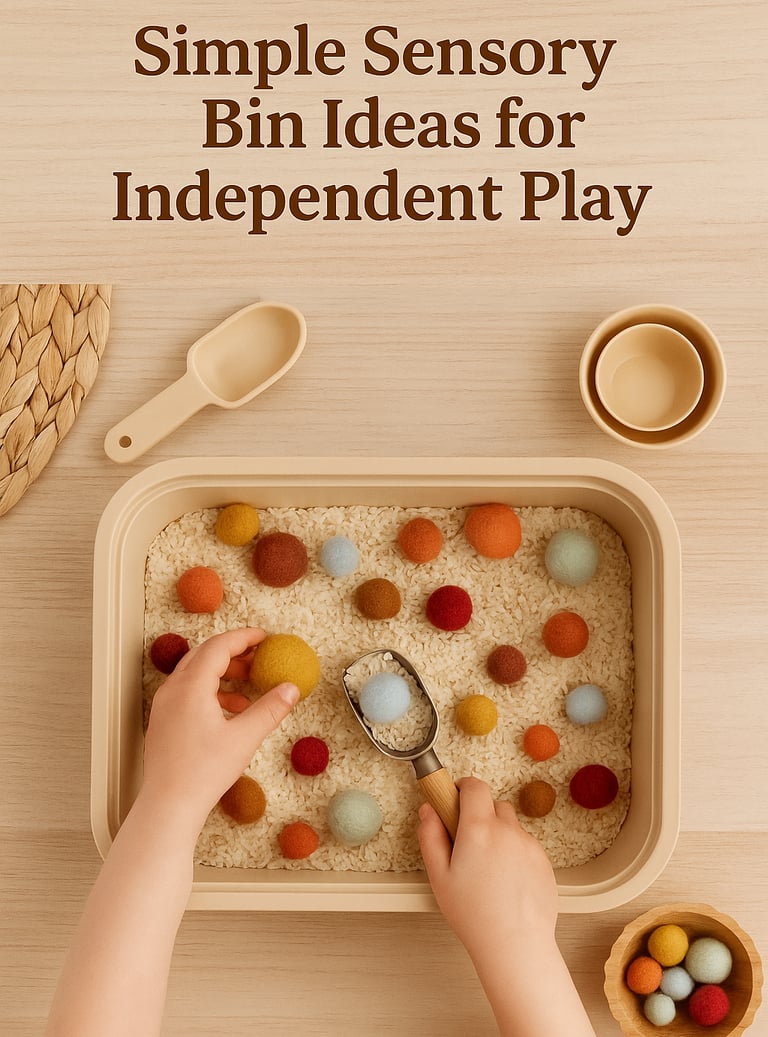
Ah, sensory bins are a lifesaver for busy parents! These bins invite kids to dig, scoop, pour, and explore while keeping their hands (mostly) busy in one spot.
You can fill them with:
Dry rice or pasta (add food colouring for fun!)
Kinetic sand
Pom-poms, cotton balls, or beans
I rotate ours every few days to keep things fresh. When I first introduced sensory bins, I noticed my son would stay focused much longer when I gave him small scoops, cups, and containers to fill and empty.
If you’re looking for a ready-made option, I love this kinetic sand sensory bin — it’s easy to clean up and gives that perfect squishy texture kids can’t get enough of.
Pro tip: Set up the bin on a low table or tray, and let your child explore while you sip your tea nearby. It’s one of the easiest ways to sneak in a quiet moment for yourself.
⚠️ A Gentle Word of Caution from One Mom to Another
Before I move on, I want to share something really important — especially if your child, like mine, has pica or tends to explore the world with their mouth.
As parents of sensory-seeking kids, we know how tempting some textures can be. Anything squishy, smooth, or tiny often ends up being explored with the mouth first, and that can make certain sensory play items risky.
I personally don’t recommend water beads, even though they’re popular in many sensory bins. They might look fun and harmless, but if swallowed, they can expand inside the stomach and cause serious medical problems. Even a single bead can grow many times its size once it absorbs liquid — and that’s just not worth the risk.
If your child is an oral sensory seeker, try using safer alternatives that still provide a great tactile experience:
Kinetic sand (always supervised, but much safer than beads)
Pom-poms or cotton balls — soft, colourful, and easy to manage
Dried pasta or beans — for older kids who no longer mouth objects
Chewable sensory necklaces or bracelets — these are a must in our home. They let kids satisfy that oral-sensory craving safely.
I have personally had great success with chewable sensory necklaces from Amazon — they’re soft, flexible, and made just for kids like ours who need that extra sensory input through chewing.
Every child is different, so trust your instincts. You know your child best. 💛
4. Encourage Movement with Play Tunnels and Climbing Toys
Sensory-seeking kids often need big movement to regulate their bodies. Think crawling, climbing, rolling, or pushing against something.
That’s where play tunnels come in! They’re amazing for independent play because they encourage exploration, imagination, and body awareness. My son used to pretend he was a puppy crawling through his “den” or a superhero escaping a secret cave.
This foldable play tunnel from Amazon became one of our favourite daily activities, and when paired with a few soft cushions or crash mats, it turns into a mini obstacle course right in your living room.
If you have space, you can even add a climbing wedge or balance board. These kinds of setups help kids release energy safely and confidently, all while giving you a well-deserved break.
5. Make It Predictable and Comforting
Independent play doesn’t happen overnight. Some days your child might only last two minutes before running back to you, and that’s okay. It takes time for them to feel confident playing alone.
Here’s what helped us:
Start small. Five minutes of independent play is a win.
Use a visual schedule. Kids feel more secure knowing what’s coming next.
Celebrate effort, not perfection. Praise them for trying, not for playing alone perfectly.
Sometimes I’ll sit close by and read a book while he plays. It helps him feel safe knowing I’m near, but still gives him the chance to explore independently. Gradually, he starts needing me less — and that’s when I know he’s growing in confidence.
6. Choose Toys That Invite Exploration, Not Just Entertainment
You know those flashy toys that light up and make tons of noise? They’re fun for a few minutes, but they don’t usually hold attention for long.
Instead, look for open-ended toys that encourage imagination and sensory feedback:
My son’s latest favourite? A tactile toy set with different textures, some rough, some squishy, some bumpy. He’ll sit and line them up, touch them, and giggle when he finds a new one that feels “funny.”
Independent play is really just exploration in disguise — and sensory toys make that exploration irresistible.
7. Remember: You Deserve a Break Too
If no one’s told you this lately, you’re doing an amazing job. Parenting a sensory-seeking child takes patience, creativity, and so much heart.
Some days will be messy and loud. Some days you’ll feel like you can’t get a minute to yourself. But slowly, with gentle routines and the right sensory tools, you’ll start seeing your child play more confidently, and you’ll get those small, beautiful moments of quiet you’ve been craving.
So go ahead, mama, set up that sensory bin, pull out that play tunnel, and pour yourself that cup of coffee. You’ve got this. 🌷
Cozy Sensory Finds to Try at Home
Here are a few of our favourite items that have made independent play easier in our home (all available on Amazon):
Kinetic Sand Sensory Bin Kit – soft, calming, and mess-friendly fun
Foldable Play Tunnel – perfect for indoor energy release
Tactile Toy Set for Sensory Exploration – encourages touch and focus
Weighted Lap Pad – calming support for still moments
Chewable Sensory Necklace – safe oral sensory input for kids with pica
Sensory Fidget Variety Pack – keeps little hands busy anywhere
Before You Head Off to Your Cozy Corner
Independent play isn’t just about giving us a breather; it’s about helping our sensory-seeking kids build confidence, creativity, and self-regulation. And with the right setup, it can become one of the most beautiful parts of your daily rhythm.
Every child deserves a safe, cozy space to explore who they are, and every parent deserves a moment to rest and recharge.
💛 Here’s to more peaceful playtime, one sensory bin at a time.